
Before adding an automatic sliding door brand to your range, work through a customer enquiry from quotation to service. Can your team specify the package, arrange installation and obtain the right replacement part later? Comparing automatic sliding door brands for distributors means checking how that work will happen with each supplier.
Start with brands whose products fit your customers. Then compare the proposed channel relationship, technical information and division of work. This guide uses SEPPES, Record, GEZE and NABCO Entrances as examples of different sourcing routes. SEPPES publishes this guide; the examples are not a performance ranking or a claim that new dealer appointments are available in every market.
Start With the Work Your Distribution Business Can Deliver
Define your role before asking a brand for distributor pricing. A company supplying equipment to established installers has different needs from a business selling, installing and maintaining complete entrances. A glass or aluminum fabricator may want an operator assembly to integrate with its own door construction.
Write down your main customer types, the entrances they buy and the work your team can take responsibility for. Include who surveys openings, prepares drawings, installs the equipment, commissions the entrance and responds to service calls. Work you intend to subcontract needs an identified local provider.
For example, a storefront contractor with fabrication and installation capability may compare operator-system supply with complete-door supply. A reseller without a field team should first establish who will carry out installation and service. The same brand could suit either business, but the order scope and support arrangement would differ.
Choose a manageable starting range around actual enquiries. Use the automatic sliding door product range to distinguish door arrangements, then shortlist the configurations your market needs.
Automatic Sliding Door Brands for a Distributor Shortlist
The public information below helps identify whom to contact and what to ask. It does not establish your eligibility, territory rights or commercial terms. Official channel sources were checked on October 30, 2026.
| Brand | Public sourcing information | Confirm for your business |
|---|---|---|
| SEPPES | Manufacturer-led project supply: complete automatic sliding doors and separately supplied complete sliding-door operator systems. SEPPES supply scope | Which package fits your local fabrication, installation and service capacity? Agree cooperation terms for your market. |
| Record | Its group distribution page describes sales through distributors and invites prospective distribution partners to make contact. Record distribution | Which local entity handles your market, and what entry requirements and support apply to the sliding-door range? |
| GEZE | Its website lists automatic sliding-door systems and provides a dealer search for purchasing and installation support. GEZE dealer search | Is direct distribution available for your area, or will you purchase through an existing partner? Confirm the relevant product scope. |
| NABCO Entrances | Its North American locator distinguishes NABCO branches and independent distributors in the United States and Canada. NABCO North American network | Which branch or distributor serves the intended location, and is a new distribution relationship available there? |
On a narrow screen, scroll within the table to compare all three columns.
Record's sliding-door range and GEZE's automatic sliding-door systems provide product starting points. NABCO Entrances publishes product literature for its North American offer. Check the actual configuration and documents applicable to your destination rather than transferring details between regional websites.
For a wider China-based shortlist, see 10 automatic sliding glass door brands in China to consider. The Chinese and international brand comparison addresses broader project trade-offs; the remaining checks here concern your distribution business.
Compare the Supply Package and Technical Information
Compare quotations for the same supply scope. Complete-door supply and operator-system supply leave different fabrication, sourcing and site responsibilities with your team. Ask for a written list of included and excluded items before comparing prices.
Complete doors or operating assemblies
For complete doors, identify the leaves, glazing, profiles, operator and controls covered by the proposal. Confirm fixed panels, sensors, locking equipment and access devices individually. For operator-only supply, provide the intended door-leaf construction, weight, mounting space and interfaces for review. The phrase “complete operator system” does not mean every entrance component is included.
Documents your team can actually use
Ask which configuration sheets, drawings, installation instructions, commissioning information and parts references are available for the proposed equipment. Check the document language, revision and applicable product. A general brochure will not answer every question an installer encounters on site.
Have the person responsible for installation review the information before you commit to a range. They should be able to identify the mounting arrangement, required interfaces and questions that still need the supplier's response. Use the installation planning guide to organize site responsibilities without substituting it for the equipment's own instructions.
Clarify Channel Terms Before Building a Sales Plan
Buying products, reselling them and becoming an appointed distributor are separate arrangements. Ask the brand to state which relationship it is offering. Permission to describe your business as an authorized dealer or use its logo should be explicit.
- Territory and sales routes: clarify the intended area, existing accounts, online sales and any proposed exclusivity.
- Order expectations: discuss the first order, later purchases, stock expectations and any targets. Separate your forecast from a binding commitment.
- Pricing and payment: request terms for the actual package and quantity, including quotation validity and what may change between orders.
- Marketing: confirm which product images, brand materials and technical descriptions you may use, and how updates will reach your team.
- Product instruction: establish whether training or technical familiarization is available, who may attend and any conditions or charges.
Build your job-cost calculation around the whole delivery: purchased equipment, freight, locally supplied materials, installation, commissioning and the service obligations you accept. Leave room for the agreed handling of damaged goods or warranty work. A purchase discount alone does not show what you will earn on an installed entrance.
Compare received offers with the supplier quotation comparison guide. If your plan involves selling under your own brand, use the separate OEM/ODM sourcing guide to discuss design responsibility, branding and production approval.
Plan Local Service and Spare Parts Before the First Sale
When a customer calls about an entrance, who takes the call and who goes to the site? Name the local service team and its product-support contact at the supplier. Remote troubleshooting helps the local team investigate a problem; site attendance still needs a separate arrangement.
Before promising after-sales coverage, ask how to identify the installed equipment and request compatible replacements. Keep the order reference, equipment labels, approved configuration and relevant document versions with each customer record. A familiar-looking component is not sufficient evidence that it will work with an earlier system.
Discuss a spare-parts plan for the configurations you actually expect to install. Ask which items can be supplied, how compatibility is confirmed, and how substitutions or discontinued items are communicated. Agree quantities and delivery expectations for the proposed order; do not assume every listed part is held in local stock.
Have the warranty discussion in writing as well. Clarify the applicable terms, evidence needed for a claim, approval process and responsibility for replacement equipment, freight and site labor. Those are questions for each supplier, not benefits that can be assumed from a brand name.
Use a Trial Order to Check the Working Relationship
Use an agreed trial or first project order to check the working relationship before expanding your range. Select a configuration that represents the work you expect to sell, and agree what will be supplied, reviewed and accepted. A demonstration of an operator alone leaves the locally supplied door construction and interfaces to be checked separately.
Track how the supplier resolves a configuration question on that order, issues the agreed documents and identifies the shipped items. After the responsible local team installs and commissions the entrance, record unresolved issues and the actions needed before another order. Keep any testing within the applicable instructions and assigned technical responsibilities.
| Review area | Request or retain | Decision it supports |
|---|---|---|
| Product and package | Named door configuration, included items and locally supplied work | Your team can quote a complete job without assuming missing equipment. |
| Channel relationship | Written confirmation of status, territory, permitted sales routes and brand use | Your sales plan reflects the relationship actually offered. |
| Technical support | Applicable documents, contact route and access to product instruction or training | The assigned installer can identify what they need before site work. |
| Parts and warranty | Identification method, compatibility review, claim steps and agreed cost responsibilities | A service issue has an owner and a documented next step. |
| Delivery and repeat orders | Packing list, order references, delivery responsibilities and change notification | The next order can be traced to the intended configuration. |
Scroll within the table on a narrow screen.
Keep the first order's records as a reference for later purchases. For each new order, confirm the configuration, current price and delivery terms. Territory rights and product changes also need to follow the current cooperation agreement.
Discuss Distributor Supply With SEPPES
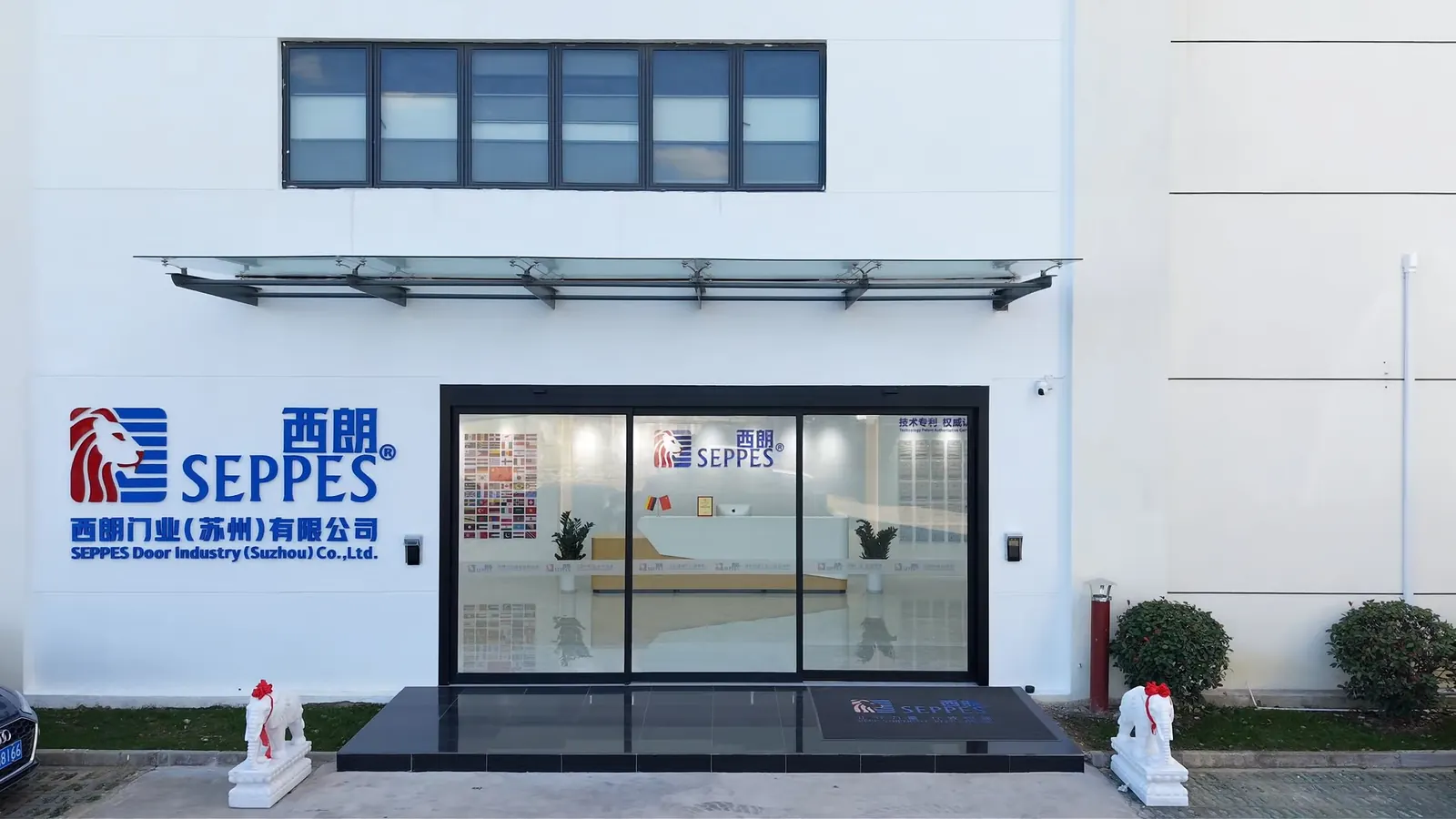
SEPPES is a source manufacturer and OEM/ODM solution provider founded in 2011. Its commercial entrance offer includes automatic sliding glass doors and project support. For distributors, the first discussion should establish which equipment SEPPES will supply and which work your local team will carry out.
Complete door systems remain the primary supply focus. SEPPES also supplies complete automatic sliding door operator systems separately without door leaves. These complete assemblies are not limited to existing customers or large-volume orders. Configuration and the included items still require review.
Individual components and accessories generally serve existing customers' replacement, spare-part and repair needs. Sufficiently large standalone component orders can be reviewed separately according to the items, quantity and compatibility. This parts policy is distinct from complete operator-system supply.
Support includes online installation guidance and remote troubleshooting. Local installation, commissioning and site attendance need an agreed local arrangement. Discuss the documents and support needed for your proposed range, along with any stocking, branding or channel requests. Confirm the terms before advertising a distributor appointment or exclusive territory.
Send SEPPES your country, intended sales area, customer types, installation and service capacity, preferred package and expected order pattern. Include one representative entrance requirement or available drawing. These details provide a starting point for reviewing product fit and supply scope. The About SEPPES page provides company and manufacturing background.
Distributor Sourcing Questions
Which automatic sliding door brand is best for a distributor?
Choose against your market and service capacity. Compare suitable door configurations, access to technical information, the supply package, parts arrangements and the proposed channel relationship. A brand that fits one region or installation team may require a different arrangement elsewhere.
Does buying from a manufacturer make us an authorized distributor?
A purchase order alone does not establish authorized distributor status. Ask for written confirmation of the relationship and any permission to use the brand name, logo, product images or dealer designation before advertising it.
Can a distributor buy complete operator systems without the glass doors?
SEPPES supplies complete automatic sliding door operator systems separately without door leaves. Confirm the intended leaf construction, mounting conditions, interfaces and itemized package. Locally sourced glazing, profiles, sensors or access devices need their own scope and compatibility review.
Can a new distributor request exclusive territory?
You can raise it as a commercial discussion. Confirm whether exclusivity is offered, its boundaries, any performance conditions and how existing accounts are treated. Do not build a sales forecast around an exclusive territory before it is expressly agreed.
What should we send in a distributor inquiry?
Send your country and intended sales area, customer types, installation and service capability, preferred supply package, expected order pattern and an example entrance requirement. Separate your first-order need from any later stocking, branding or territory request.