
Automatic Door Knowledge Center

Automatic Door Insights

Use the SEPPES automatic door blog to compare entrance types, understand how automatic door systems work and prepare clearer requirements for a commercial entrance project.

Explore practical explanations and buying guides covering door movement, opening conditions, pedestrian traffic, sensors, access control, system scope, cost factors and the information needed for project review.

Browse Topics
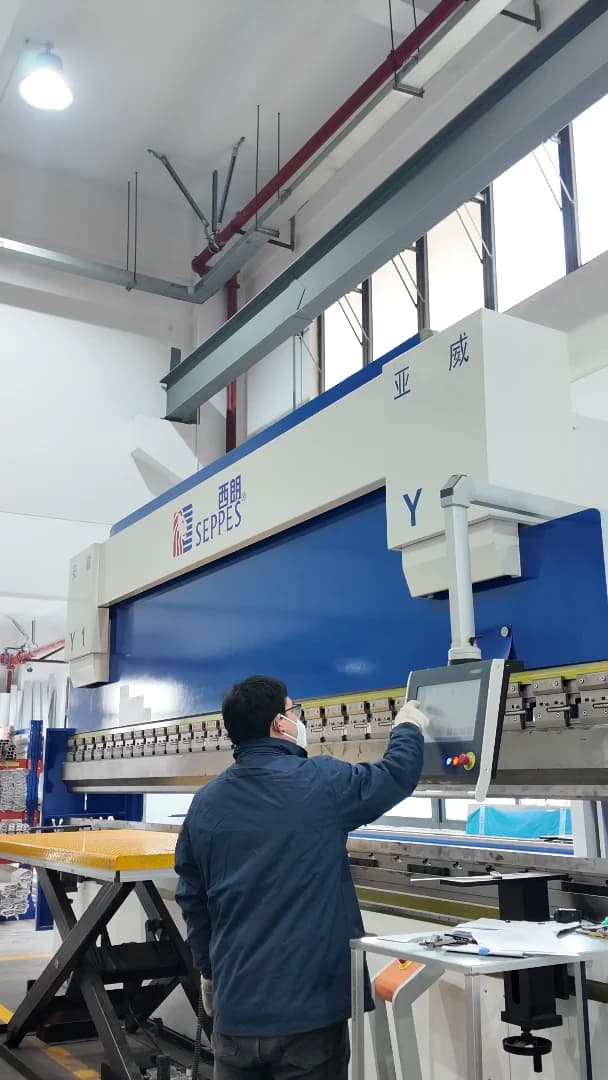
SEPPES team reviewing door equipment in the manufacturing workshop

Knowledge Articles

Understand Automatic Door Types and Systems

Use these topic summaries to understand door movement, system operation, safety detection and the project conditions that separate one entrance approach from another.

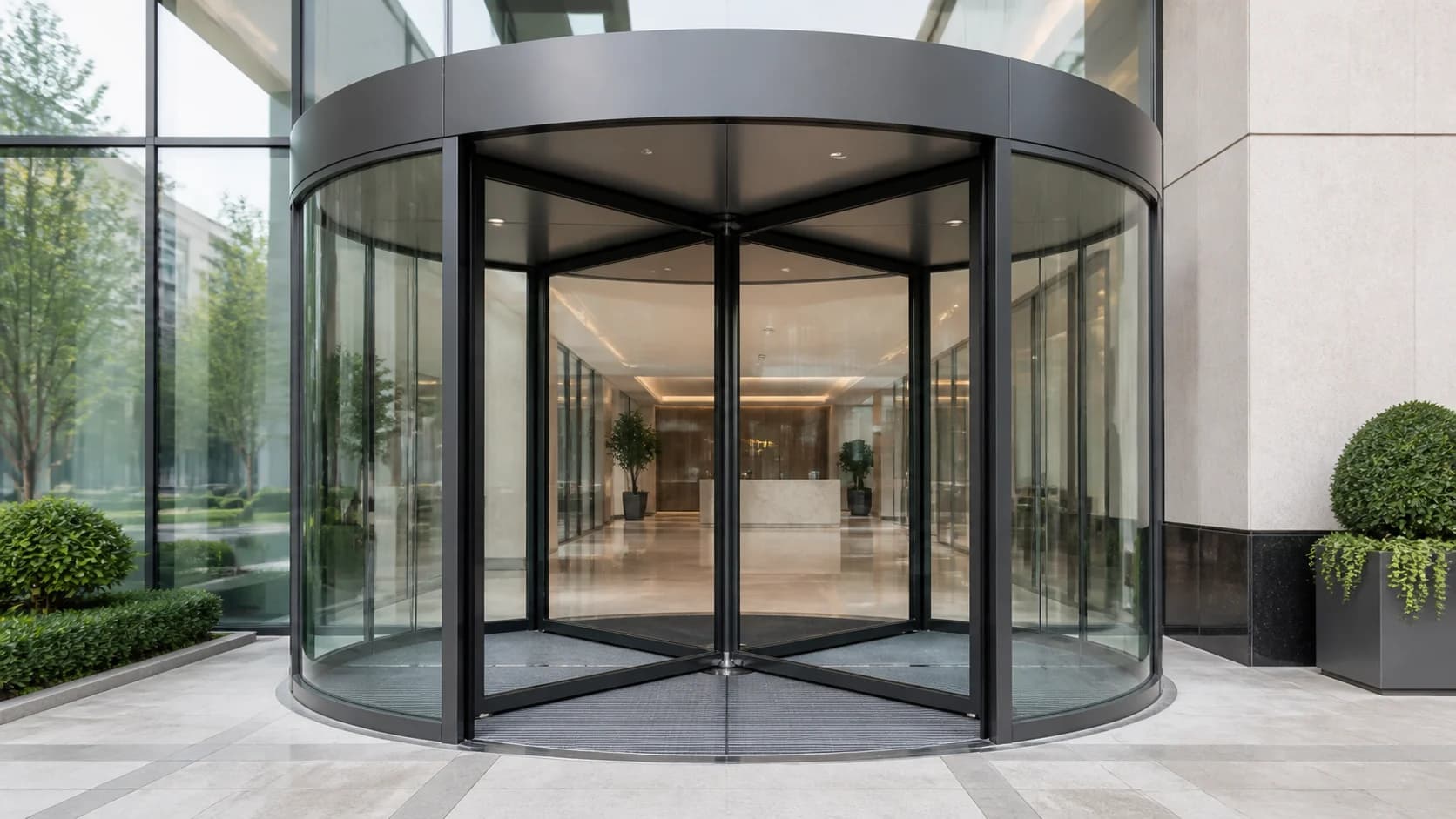
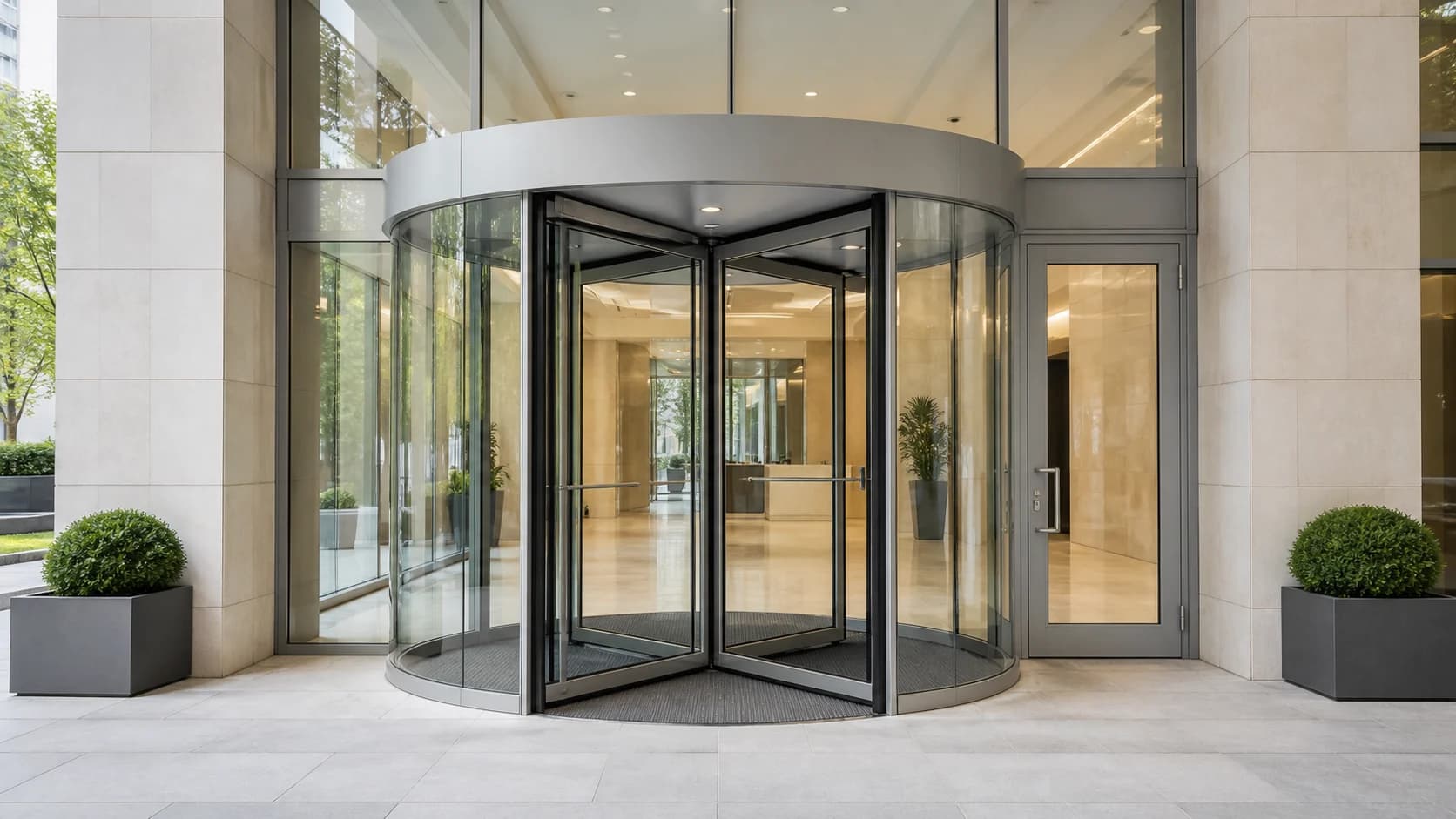
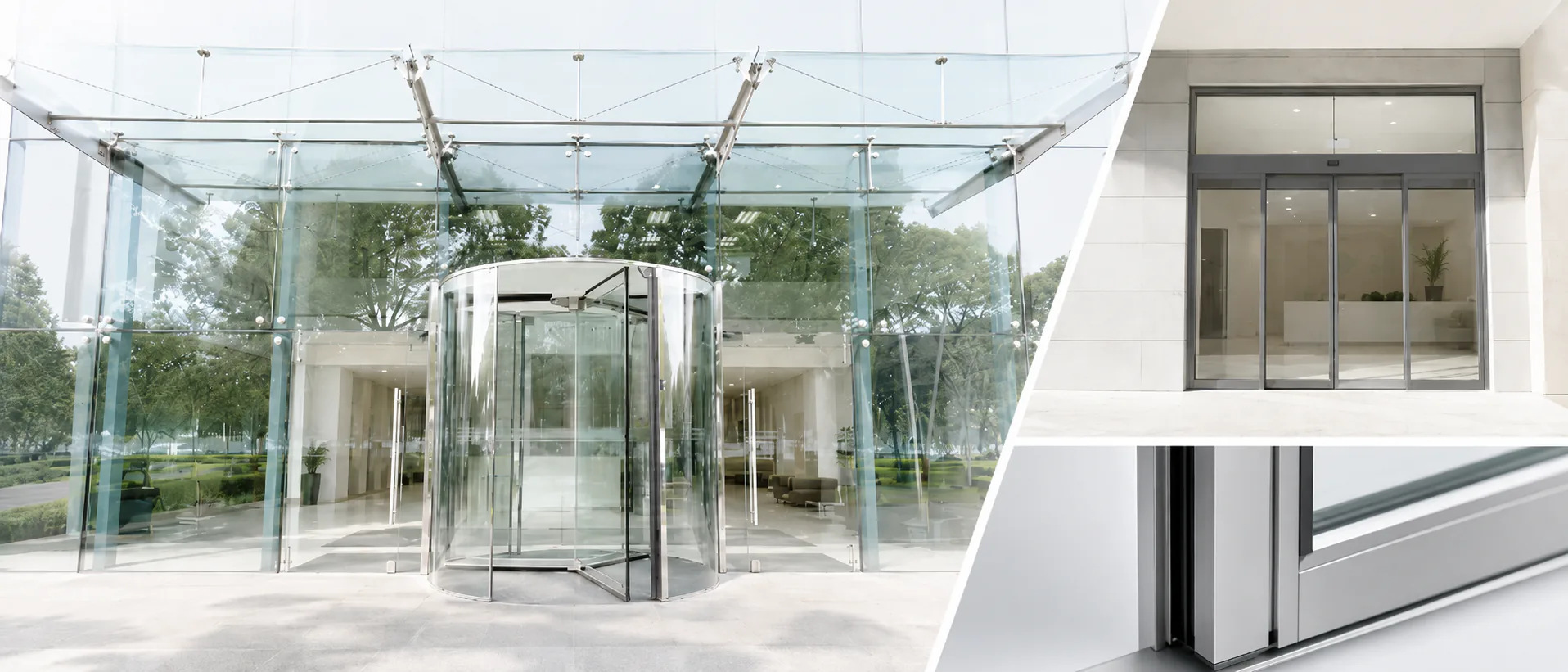
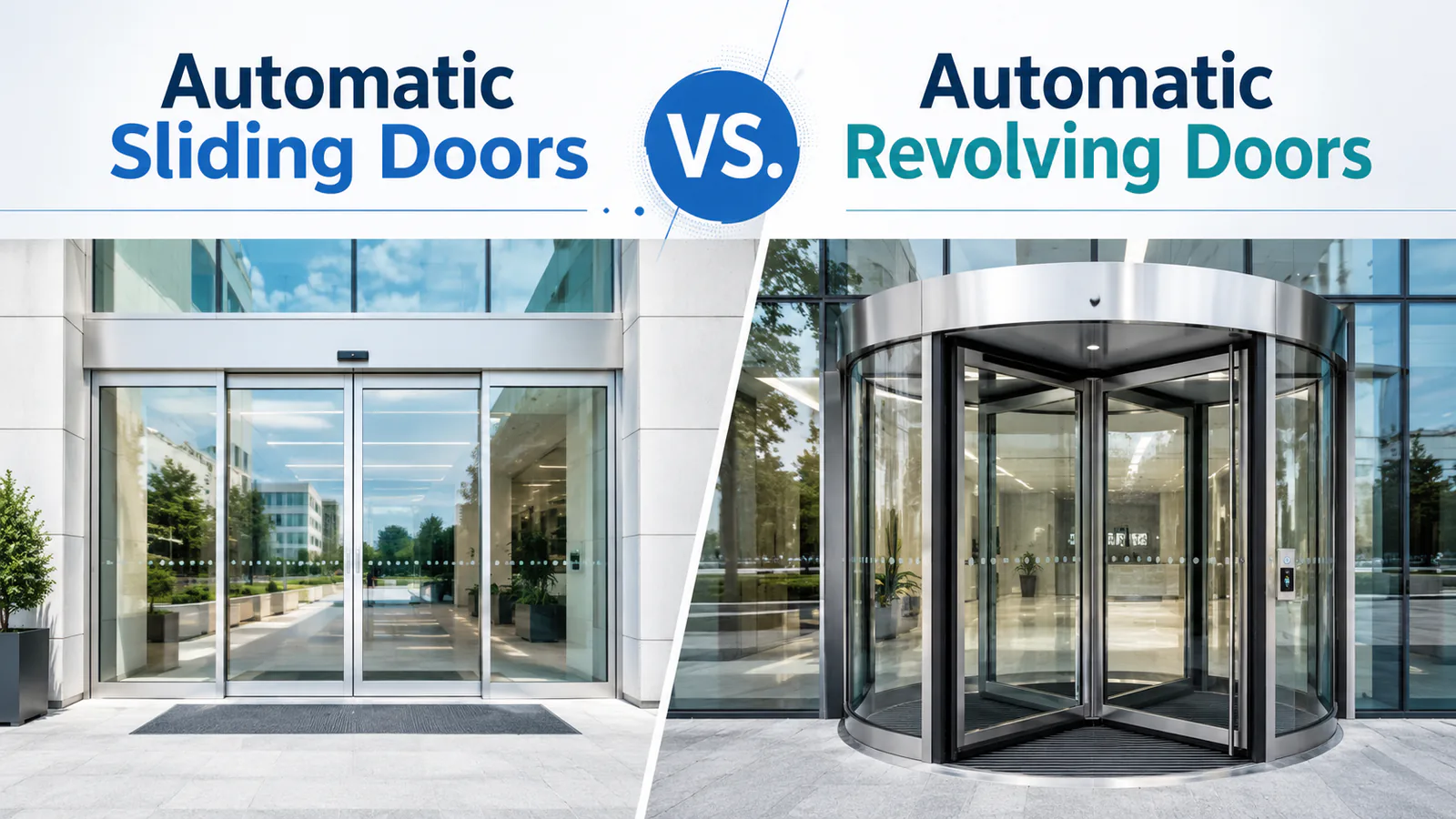
Automatic sliding entrance beside an automatic revolving entrance

Door Type Comparison

Automatic Sliding Doors vs. Automatic Revolving Doors

Sliding and revolving entrances manage pedestrian movement in different ways. Compare opening geometry, available space, traffic flow, architectural priorities, environmental separation and the level of project coordination each entrance may require.

Compare Door Families
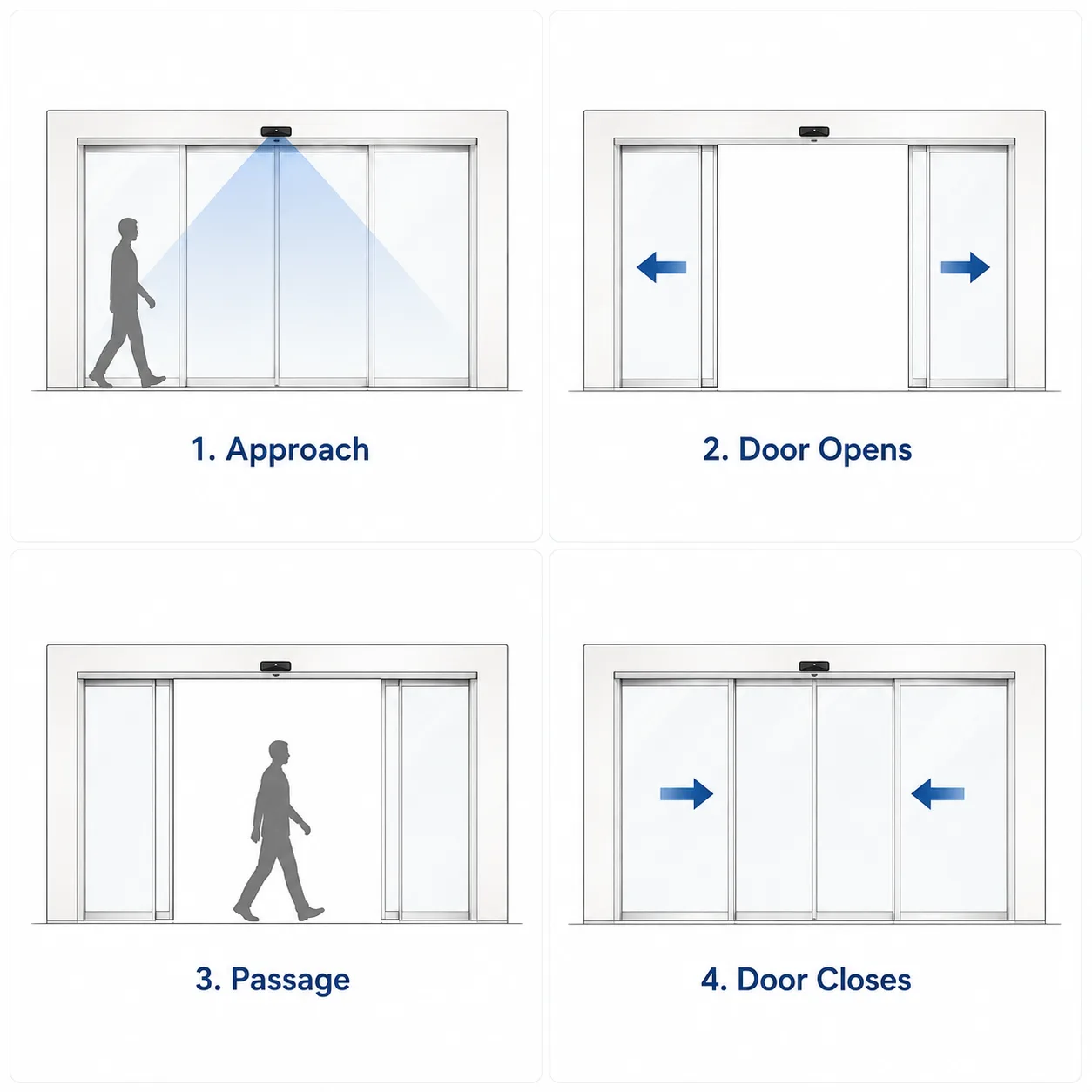
Four-step automatic sliding door opening and closing sequence

How It Works

How Do Automatic Sliding Doors Work?

An automatic sliding entrance coordinates activation detection, controller logic, motor drive, belt movement, hangers, track guidance and safety monitoring. The final system must also match the door leaves, opening dimensions and required operating modes.

Explore Automatic Sliding Doors
Four-step automatic revolving door detection, rotation, safety monitoring, and entrance separation sequence

How It Works

How Do Automatic Revolving Doors Work?

An automatic revolving entrance uses a controlled drive system to rotate the door wings through a defined passage. Sensors, controller logic, the central structure and safety devices must work together to manage movement and pedestrian protection.

Explore Automatic Revolving Door
Black framed automatic sliding glass door

Sensor and Control

Automatic Door Sensor Types Explained

Activation sensors detect an approach, while presence and safety detection help monitor the doorway and moving area. Sensor selection must be coordinated with the door type, control logic, entrance geometry and access-control requirements.

Review Door Systems
Automatic revolving door safety detection areas around the entrance, threshold, door wings, side walls, and revolving chamber

Safety Planning

Automatic Revolving Door Safety: What Should Be Reviewed?

Safety review should consider the moving wings, approach area, top and bottom detection, control response, access coordination and expected users. Final settings and devices must be confirmed for the actual entrance and applicable project requirements.

Review Revolving Door Planning
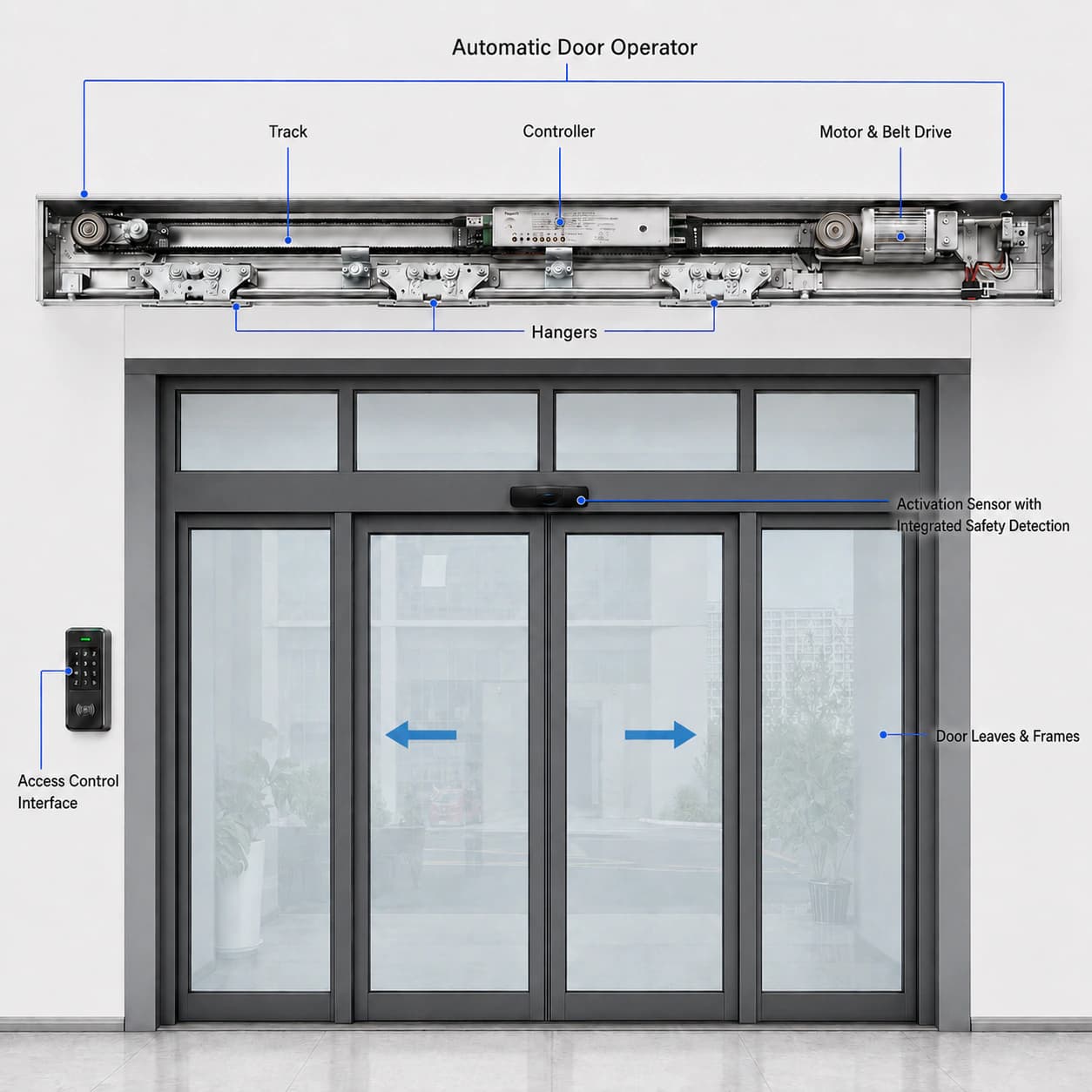
Annotated 1:1 automatic sliding door system with labeled operator, track, controller, motor and belt drive, hangers, activation sensor, access control interface, and door leaves and frames

System Components

Automatic Sliding Door Components Explained

The operator, motor and belt drive, controller, track, hangers, sensors, access-control interface, door leaves and frames form one coordinated entrance system. Clarifying the supplied scope helps prevent gaps between equipment supply and site installation.

Explore Automatic Door Systems

Buying Guides

Prepare a Better Automatic Door Purchase

A useful quotation and technical recommendation depend on clear project information. These guides explain the factors behind cost, customization, supplier evaluation and project coordination without presenting unverified prices or guarantees.

Automatic sliding and revolving entrances with an automatic door system detail

Quote Preparation

What Information Is Needed for an Automatic Door Quote?

Start with opening width and height, project location, building use, quantity and the preferred door direction. Drawings, photographs, traffic expectations, access-control needs and the required supply scope make the review more accurate.

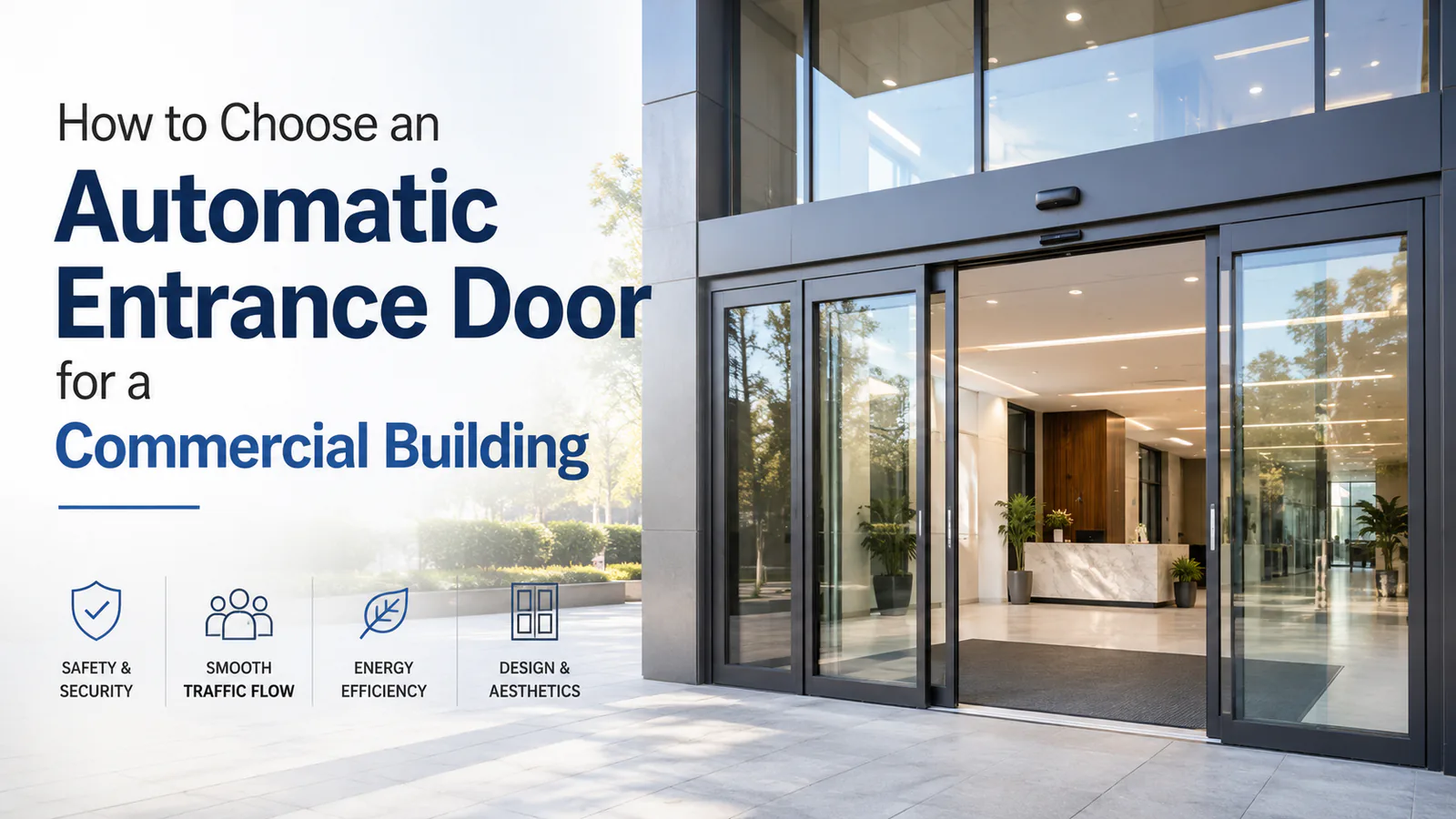
Automatic sliding doors across a full-width modern commercial entrance

Cost Factors

Automatic Sliding Door Cost Factors

The project cost may change with entrance dimensions, door-leaf construction, glass and frame requirements, operator scope, sensors, access-control interfaces, quantity, customization, packaging and delivery requirements.

Explore Sliding Door Options
Automatic revolving glass door at a modern commercial building entrance

Cost Factors

Automatic Revolving Door Cost Factors

Revolving-door pricing depends on entrance diameter, height, wing arrangement, enclosure and glass requirements, drive and control scope, safety devices, architectural finish, project coordination and delivery conditions.

Explore Revolving Door Options
SEPPES factory operator working at sheet-metal fabrication equipment

Manufacturer Evaluation

How to Evaluate an Automatic Door Manufacturer

Review whether the company can explain its product scope, engineering process, quality control, customization limits, documentation, spare-parts support, packaging and remote technical support. Ask for evidence that matches the product and project being discussed.

Review SEPPES Capabilities
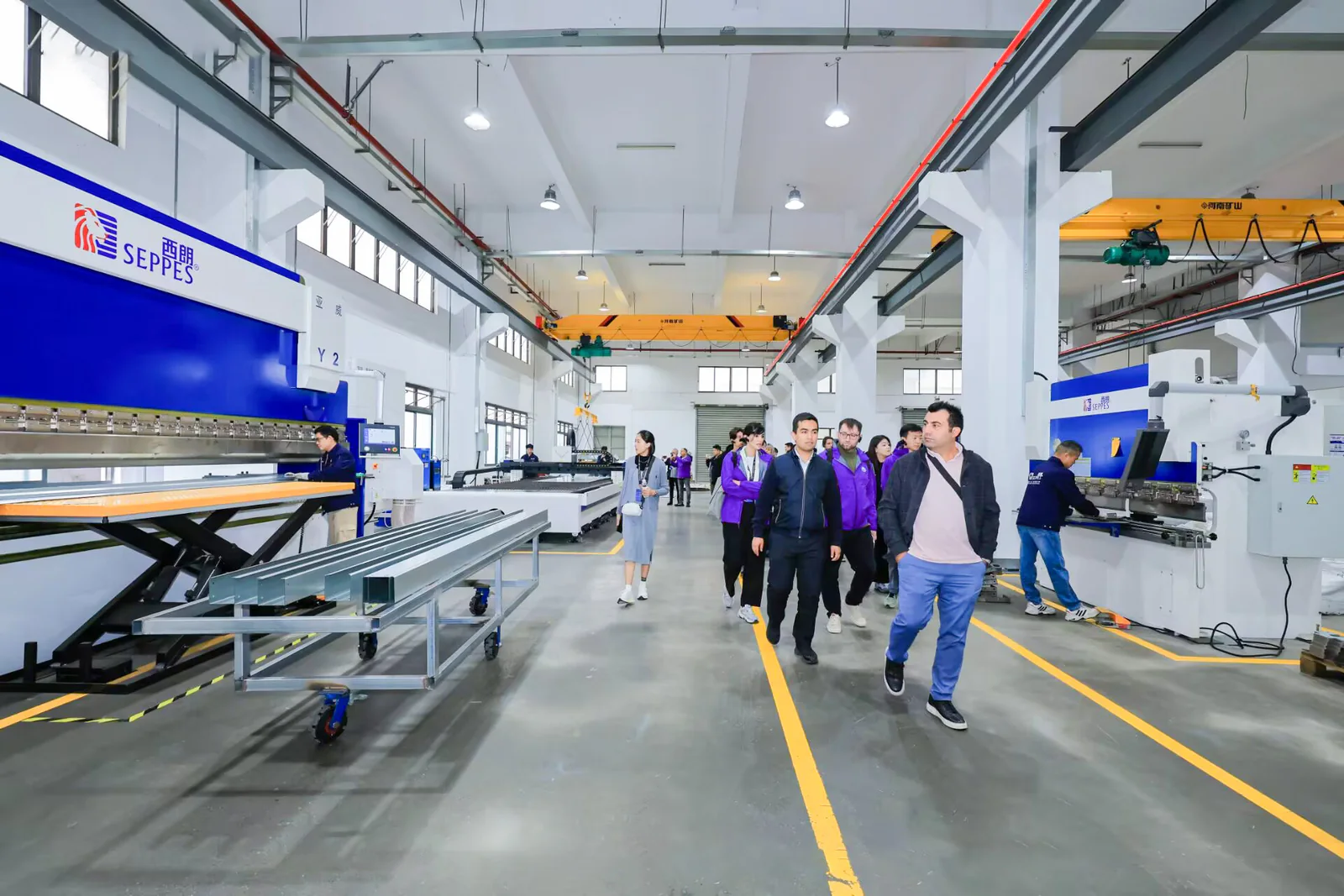
SEPPES production team and visitors reviewing manufacturing equipment

Supplier Evaluation

How to Evaluate an Automatic Door Supplier

A supplier review should clarify whether the quotation covers a complete door package, an operator system or selected components. Confirm technical responsibility, interface information, documentation, packaging, replacement parts and communication during the project.

Review System Supply Scope
Aluminum-framed automatic sliding doors at a commercial lobby

Customization Planning

What Can Be Customized for an Automatic Sliding Door Project?

Project-specific review may cover entrance dimensions, door-leaf and frame construction, glass requirements, operator and sensor scope, access-control interfaces, surface treatment and supplied documentation. Available options remain subject to the selected product and verified project conditions.

From Research to Project Review

Turn Entrance Questions Into a Clear Project Requirement

Use a simple decision path to move from general research to a project discussion. Each step should reduce uncertainty before technical review and quotation.

  1. 01

    Compare Door Families

    Review how sliding and revolving entrances differ in movement, space use, pedestrian circulation and architectural role.

    Explore Automatic Entrance Doors
  2. 02

    Review System Scope

    Clarify operators, controllers, sensors, safety detection, access-control interfaces, door structures and the responsibility boundary between supply and installation.

    Explore Door Systems
  3. 03

    Check Real Case Studies

    Review entrance requirements from office, hotel, retail and other commercial settings to identify conditions similar to the planned project.

    View Case Studies
  4. 04

    Send Project Requirements

    Share the information already available. The sales and technical team can identify the remaining decisions needed for quotation and system review.

Project Inquiry

Discuss Your Automatic Entrance Project

Share the information already available—such as opening width and height, preferred door type, building use, quantity, access-control needs and project location. Our team will review the requirement and identify any details that still need confirmation before a quotation or technical recommendation.

Send the details you already have and identify the decisions that are still open.

Send Project Details on WhatsApp

We use your details only to respond to this inquiry. Read our Privacy Policy.