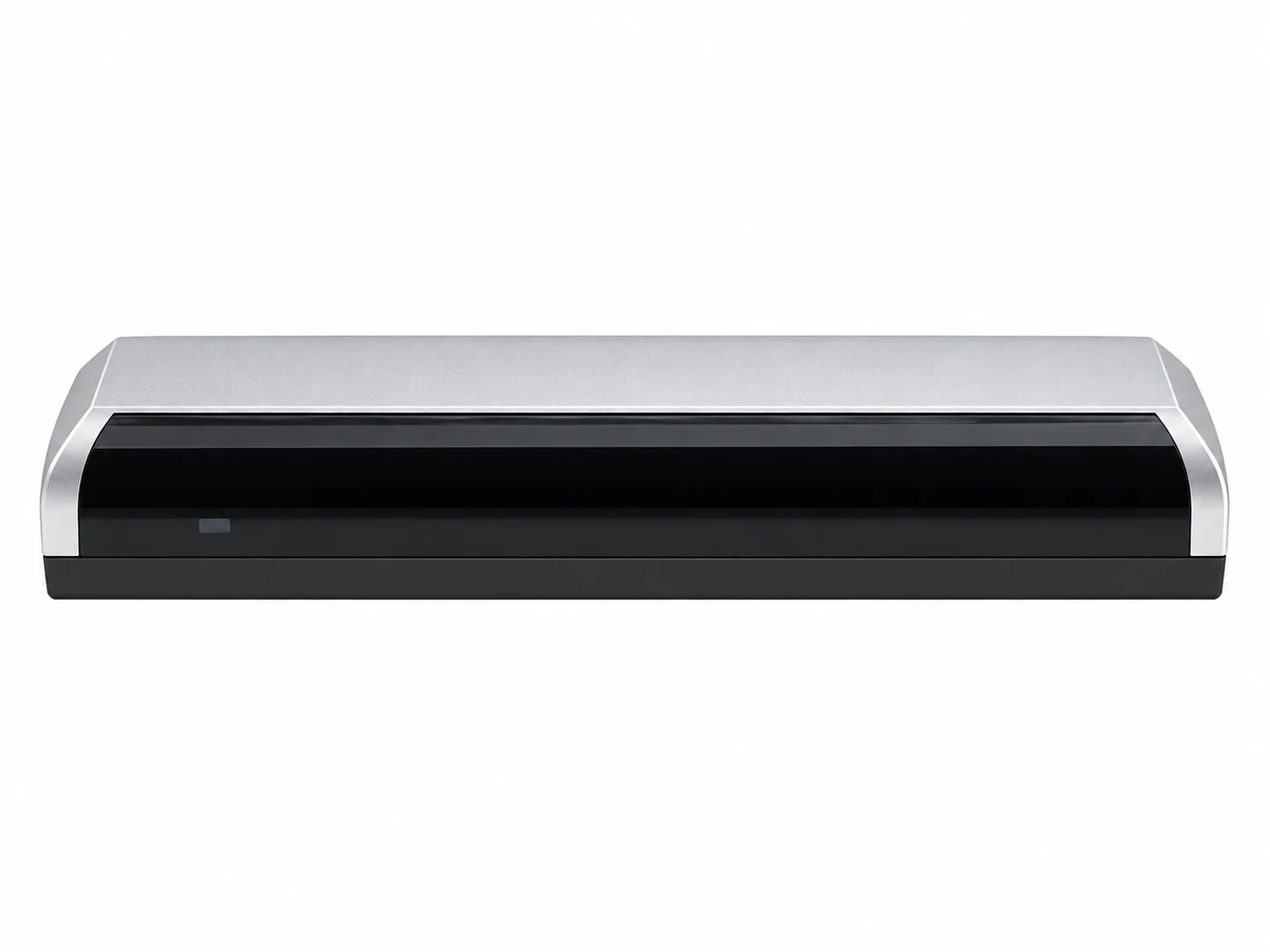
Black sensor mounted centrally on a metal header above sliding glass door leaves

Sliding Door Systems

Automatic Sliding Door Sensor

Plan sensing around the people using your entrance. Review approach activation, presence detection and controller connections with SEPPES for a complete sliding-door project or support for an earlier order.

  • Activation & presence review
  • Controller & access coordination
Review Selection Inputs

Start with the Required Function

Define What the Entrance Needs to Detect

A sliding door sensor supplies an input to the door controller. Plan the opening request and the required presence or protective detection as separate functions, even when one device provides more than one output.

01

Approach Activation

Identify the routes that should request opening, including people approaching from an angle. For an automatic sliding door motion sensor, the review starts with intended approach movement and nearby cross traffic.

Which approaches should open the door?

02

Presence at the Doorway

Review where a person, trolley or item may remain during passage. Presence detection and the controller response must be considered together, including users who pause or move slowly.

Where might someone stop during passage?

03

Areas Beside Moving Leaves

Review the opening and closing movement against fixed panels, walls and surrounding objects. Identify areas needing protective measures and confirm the complete arrangement for the entrance.

Which moving areas need further review?

A Closer Look

Sensor Appearance References

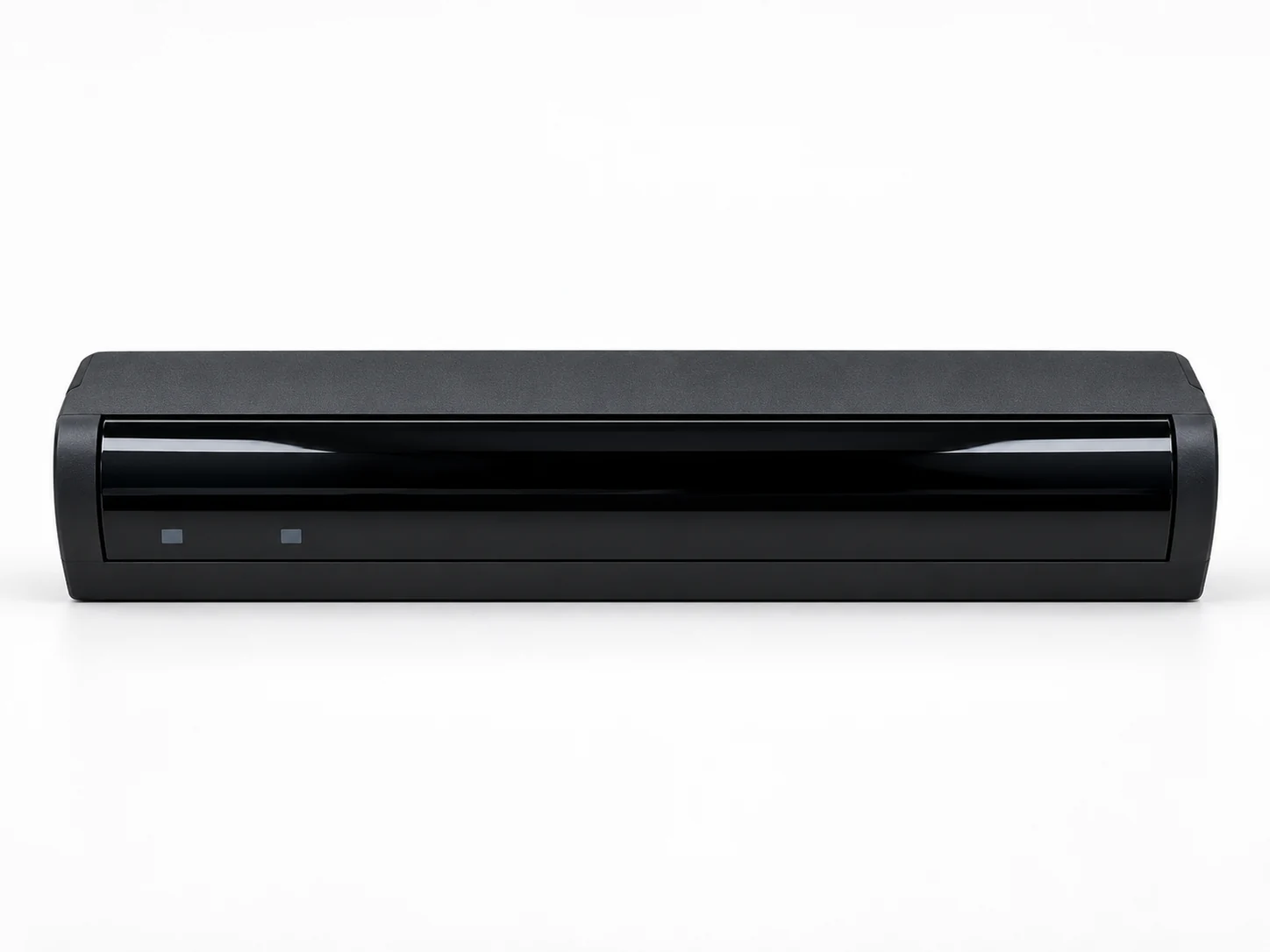
Housing shape is one part of the installation discussion. Confirm the device identification, detection functions and connections before agreeing a configuration or replacement.

These images show housing details. Appearance does not establish the sensing technology, monitored area or suitability for a particular controller.

Look at the Whole Entrance

Review the Approach and Doorway Areas

Use the entrance plan to discuss where people approach, pass through and move beside the door. A sensor position on the header alone does not define all the areas that need attention.

Sliding entrance areas to reviewConceptual plan view of a bi-parting entrance. Marker 1 indicates approach routes, marker 2 the doorway, and marker 3 the areas beside moving leaves. These markers do not describe a sensor detection field.1233
Conceptual plan view of a bi-parting entrance. Marked areas are review prompts, not measured detection coverage or an installation drawing.
  1. 1. Approach Routes

    Mark normal entry and exit routes, nearby cross traffic and places where queues form. Review both sides of the entrance and any controlled direction.

  2. 2. Doorway and Passage

    Identify where people, luggage or trolleys may pause. Discuss the required response while the passage is occupied and how it will be checked on site.

  3. 3. Moving-Leaf Areas

    Review the relationship between sliding leaves, fixed panels, walls and nearby objects. Protective measures and anti-pinch requirements need review for the actual door geometry.

Review the Sliding Glass Door Configuration

Prepare Your Project Details

What We Need to Review Your Sensor Configuration

Send the details you already have. An entrance photograph and a short description of the required behavior are useful starting points for an automatic sliding glass door sensor discussion.

These are inputs for configuration review. Final device specifications, positions, signals and settings are confirmed for the selected equipment and entrance.

Selection InputWhat to ProvideWhat to Confirm
Door and openingClear opening width and height, leaf arrangement and an entrance photograph.The passage geometry and moving areas to review.
Mounting conditionsHeader position, available mounting space, surrounding ceiling and cable route.Device positioning, access for adjustment and installation responsibilities.
Approach and trafficEntry and exit directions, cross traffic, queues, carts and expected user groups.Which movement should request opening and where people may pause.
EnvironmentIndoor or exposed location, nearby glass, reflective surfaces and moving objects.Suitability for the actual surroundings and the conditions requiring site checks.
Controller and connectionsKnown operator/controller identification, device labels and available interface documents.Supply requirements, signals, monitoring and connections for the selected equipment.
Access and operating modesCard access, push buttons, controlled direction and intended daily modes.How authorization and sensing should interact in each agreed mode.
Existing-order supportEarlier SEPPES order reference, current sensor details and a description of the issue.The original configuration, replacement scope and information still needed.

Scroll across to read the information and confirmation points.

If equipment details are unavailable, describe the door and the behavior you need. We can help identify the next information to collect.

Agree How the Door Should Respond

Coordinate Sensors with the Controller and Access Control

The sensor arrangement, controller and access equipment form part of one operating sequence. Agree the signal responsibilities and required responses before confirming the connected devices.

Agree the Inputs

List the activation request, presence-related signal and any door-release authorization separately. Identify who supplies each device and its connection to the controller.

Confirm the Response

Describe the required behavior for approach, occupied passage and controlled access. Review it for each intended mode; a matching connector does not establish compatible operation.

Check the Complete Entrance

Confirm responsibility for mounting, cabling, setup and site testing. Review the agreed functions together with the operator, door leaves and access equipment before handover.

A card reader or push button can provide an intentional input. Its role should be reviewed alongside the entrance’s activation and presence requirements. For the wider control scope, see the Automatic Door Operator guide.

Working with SEPPES

Sensor Configuration and Replacement Support

Our main focus is complete door supply. Components and accessories are generally supplied to existing customers as replacement, spare or repair parts. Large-volume standalone requirements, such as hundreds or thousands of sets, can be discussed separately.

For a Complete Entrance

Share the opening, intended use and control requirements. We can review the sensing arrangement with the door system and clarify the equipment included in the proposal.

For an Earlier SEPPES Order

Include the order reference, current device identification and the behavior you have observed. Label and installation photographs help us review the original configuration and replacement requirements.

For a Large Standalone Requirement

Provide quantities, intended door configurations, interface information and destination. Compatibility, supplied items and commercial terms need confirmation for the request.

We can work with your team through online installation guidance and remote troubleshooting. Share the equipment information available so we can agree the next checks and keep the installation responsibilities clear.

Frequently Asked Questions

Questions Before Selecting a Sensor

Practical answers for a new entrance configuration or support for an existing order.

What information is needed to select a sliding door sensor?

Start with the opening, mounting position, approach routes and required detection functions. Add the controller details, environment and access requirements you already know. We can review the available information with you and identify the remaining configuration questions.

Can a motion sensor also monitor someone standing in the doorway?

That depends on the device and its confirmed functions. An opening request alone does not establish presence detection. Review the required monitored area, sensor capability and controller response together, including people who pause in the passage.

Is an infrared sensor the right choice for my sliding door?

The technology name alone is not enough to select a device. An automatic sliding door infrared sensor needs to be reviewed against the required function, installation position, surroundings and controller. Explain what needs detecting before choosing a specific arrangement.

Can I replace a sensor with one that looks the same?

Appearance alone cannot confirm a replacement match. For an earlier SEPPES order, send the order reference, device label and a description of the issue. The equipment identification, connections, mounting and operating requirements need review before a replacement is agreed.

What changes when the sliding door uses access control?

The project needs to define who may enter, the controlled direction and how authorization reaches the door controller. The doorway's sensing requirements remain part of that review. Confirm the agreed operating sequence with the access-control and installation teams.

How can I discuss a standalone sensor requirement?

Tell us whether it is for an earlier SEPPES order or a large-volume requirement, with the equipment information and quantity available. We will review the request against the supply scope described above and confirm the next information needed.


Continue Your Review

Related Systems and Sensor Guidance

Talk Through Your Entrance

Discuss Your Sliding Door Sensor Requirements

Tell us how people will use the entrance and what you need the door to do. We can review the available details with you and identify the next configuration decisions.

Include the opening dimensions, mounting conditions, approach directions, known controller details, quantity and destination. For an earlier SEPPES order, add its reference and describe the issue. Device labels and photographs can be shared when we follow up.

We use your details only to respond to this inquiry. Read our Privacy Policy.